Consumer Loss
Large-bodied consumers (i.e., animals that eat other living things) are increasingly lost from ecosystems due to hunting and fishing pressure from humans. As these consumers are critical drivers of community structure and ecosystem function, its crucial to evaluate the cascading effects of their disappearance.
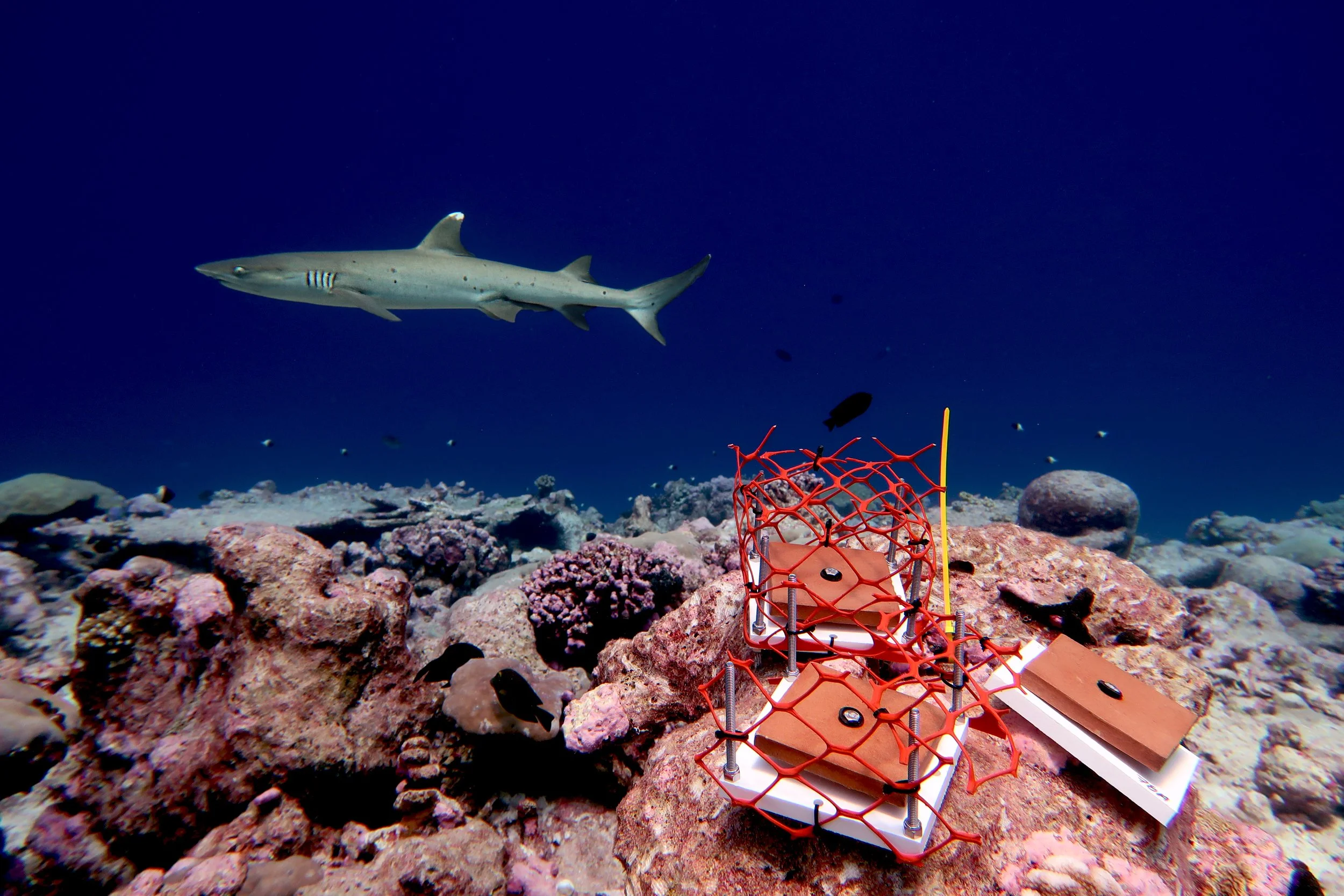
Coral reefs are one of the most diverse and threatened ecosystems in our world, facing unrelenting disturbances such as marine heat waves. Fishes play an integral role in structuring recovery after disturbances by limiting algae that compete with corals; however, reefs are rapidly losing large fishes from fishing pressure. Reefs are also facing dramatic declines in shark populations, but there is very little research on how the loss of sharks may cascade through the food web to reef recovery. Using an experiment in the large marine protected area, the Chagos Archipelago, we found mesopredatory fishes increased with decreasing shark abundance, but there were no cascading effects to lower trophic fishes or reef recovery. Fishes limited algae cover during recovery, but coral recruitment was not affected by the loss of fishes. Thus, in this diverse and intact food web, reef recovery may be resilient to the loss of fishes and sharks (McDevitt-Irwin et al. 2024, Biol Cons).
Most research on consumer loss does not consider community variability across space (i.e., spatial beta diversity) and turnover through time (i.e., temporal beta diversity). Using an experiment in Palmyra Atoll, we found that the loss of large fishes led to divergent benthic community states across space and greater species turnover through time (McDevitt-Irwin et al. 2023, Oecologia). Thus, demonstrating that overfishing may lead to more variable and unpredictable benthic communities during recovery, with implications for ecosystem function and coral reef resilience in the face of escalating global stressors.
I am currently co-leading a NSF LTER Working Group exploring how the loss of consumers across marine, terrestrial and freshwater ecosystems affects community variability across space (i.e., dissimilarity in community composition).
Temporal Dynamics
Ecologists are typically biased towards considering how communities vary across space, largely ignoring that communities are dynamic through time. Understanding ecological communities through a temporally explicit lens is especially urgent due to our rapidly changing climate that can alter seasonal windows of opportunity and phenology.
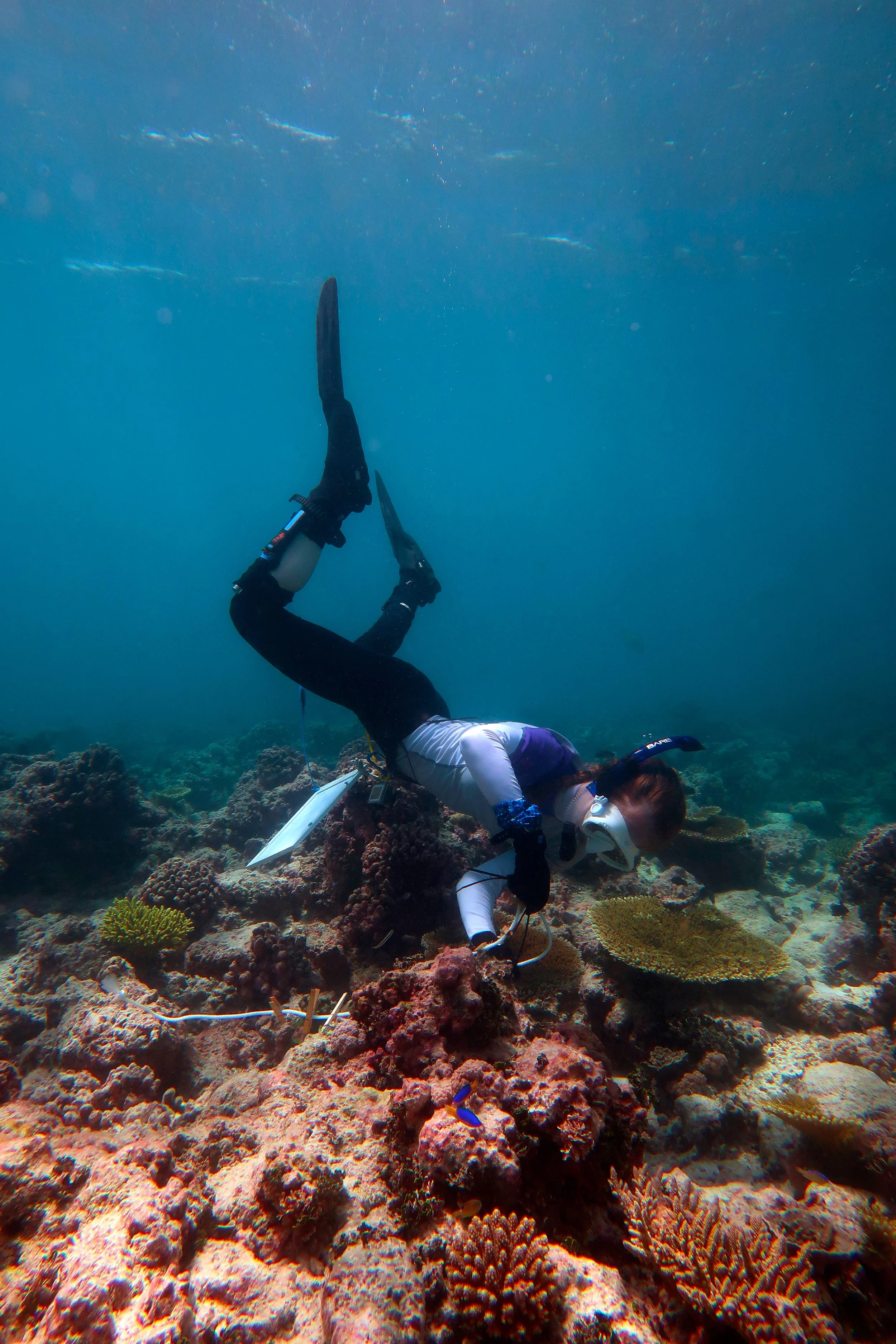
In Palmyra Atoll, we showed that the effect of fishes on coral recruitment varies over time, where fishes promote initial coral recruitment immediately after a disturbance, but their effects diminish after three years and fishes no longer have a significant influence on coral recruitment (McDevitt-Irwin et al. 2023, Sci Rep). This is especially important as reefs are increasingly likely to be locked in early successional stages (e.g., repeated bleaching events, storms) where fishes play an integral role in promoting coral recruitment.
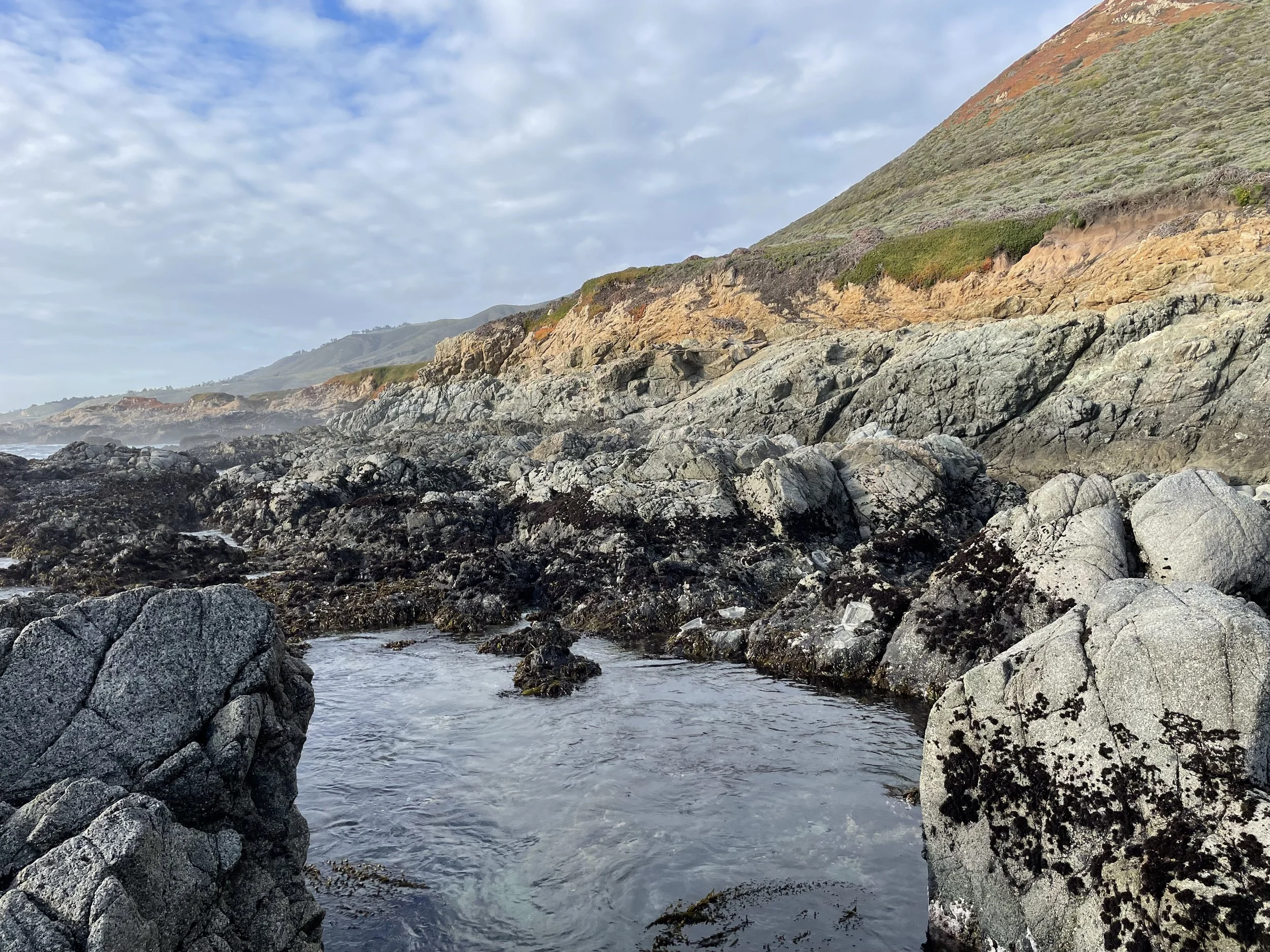
Most previous research has included consumers as a constant state of presence-absence or varying abundance and not as transient members of the community with variable arrival timing due to factors such as habitat connectivity. Using an experiment in the rocky intertidal in Big Sur, California, we found that the timing of when herbivores arrived after a disturbance influences short-term but not long-term algae communities, suggesting the role of consumers in this system is so strong, that it swamps any variability with arrival timing (McDevitt-Irwin et al. Submitted). Thus, emphasizing the importance of maintaining and rebuilding consumer populations to promote ecosystem resilience and persistence.
In addition, I am currently part of a MCR LTER working group evaluating how macroalgae diversity and stability are related over space and time in Moorea, French Polynesia.
Anthropogenic Stressors
As ecosystems worldwide continue to be altered by local human stressors (e.g., fishing pressure, nutrient pollution) and rapid climate change, it’s incredibly important to understand what makes an ecosystem resilient to these stressors.
Coral reefs are an especially at-risk ecosystem, with widespread bleaching events that can cause shifts from coral to algae dominated reefs. However, beyond reducing carbon emissions, it remains unclear how to protect coral reefs from heat stress. At Kiritimati, Kiribati, we demonstrated that sites with low local disturbance (i.e., low fishing pressure and nutrients), which originally had the highest coral cover, had the greatest coral cover loss. However, individual coral colonies had greater survival at low human disturbance, demonstrating local stressors can impair coral survival under heat stress (Baum et al. 2023, Sci Adv).
Coral reefs are also facing escalating physical disturbances such as tropical cyclones. However, it remains unknown if and how physical disturbances alter the impact of local anthropogenic stressors on coral reef biodiversity and community composition. In Moorea, French Polynesia, we conducted a four-year field experiment that evaluated the impact of overfishing and nutrient pollution and evaluated how a tropical cyclone altered coral reef communities. We found that physical disturbances amplified the role of consumers in structuring coral reef composition and biodiversity over the four years – emphasizing the need to conserve consumer populations in this era of escalating disturbances (McDevitt-Irwin et al. Submitted).
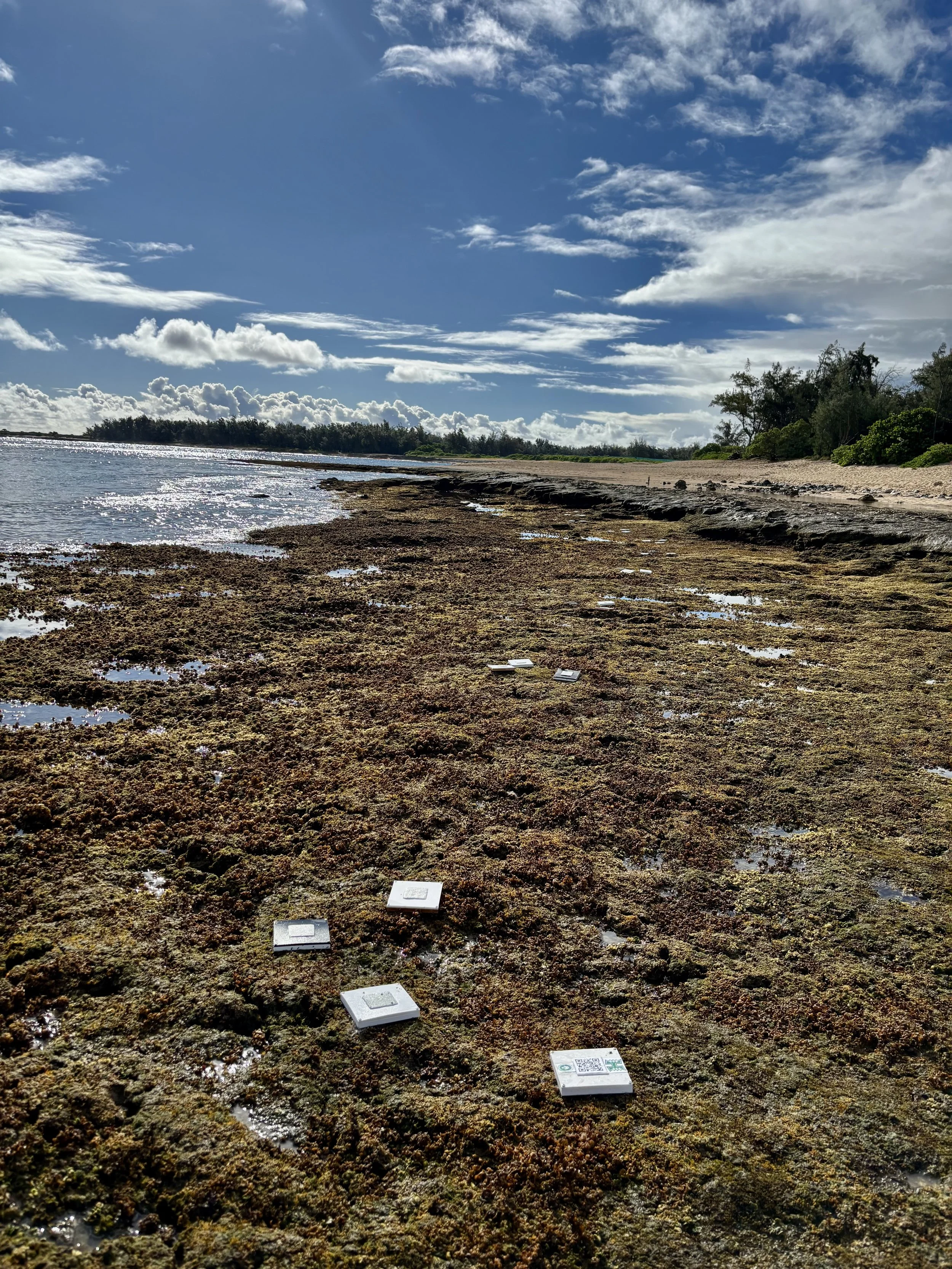
Recent evidence suggests that consumers may increase ecosystem resilience to climate change, however we have no idea if these consumers can mitigate ecosystem function/services provided and especially in tropical intertidal ecosystems that are already living at thermal extremes. My current research, funded by a Hawaiʻi Sea Grant and led by my PhD student Madigan Boborci, uses a field experiment of black and white bordered settlement tiles in the Hawaiian intertidal to understand how atmospheric warming and herbivore loss alters community structure and ecosystem function